

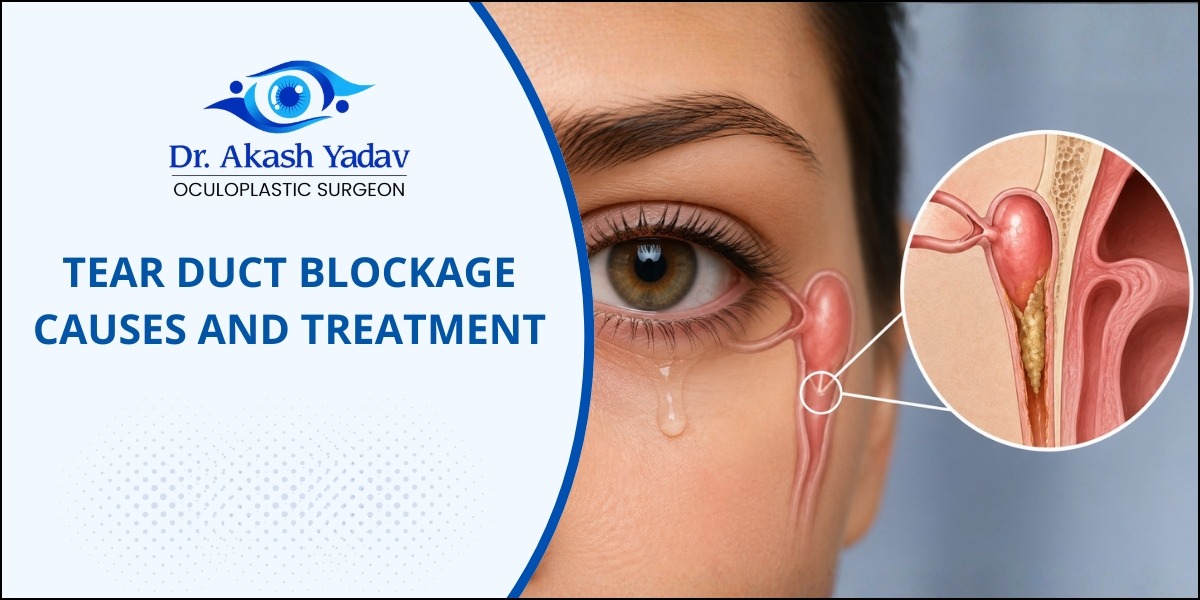
Have you been experiencing constant watering of the eyes, recurrent eye infections, or irritation that doesn’t seem to go away? These symptoms may indicate a tear duct blockage, also known as nasolacrimal duct obstruction. A blocked tear duct can affect people of all ages, from newborns to older adults, and can significantly impact daily comfort if left untreated.
If you are searching for tear duct blockage treatment in Pune, understanding the causes, symptoms, and available treatment options can help you seek timely medical care.
What is a Tear Duct Blockage?
Tears play an essential role in keeping the eyes lubricated, clean, and protected from infections. Normally, tears drain through tiny channels called tear ducts into the nose. When this drainage pathway becomes partially or completely blocked, tears cannot drain properly and begin to overflow onto the face, resulting in excessive watering of the eyes.
Causes of Tear Duct Blockage
A tear duct can become blocked due to several reasons, including:
1. Congenital Blockage
Many infants are born with an incompletely developed tear drainage system. In most cases, the blockage resolves naturally within the first year of life.
2. Age-Related Narrowing
As people age, the tear drainage openings may become narrower, increasing the risk of blockage.
3. Eye or Nasal Infections
Chronic infections of the eye, tear drainage system, or surrounding nasal passages can lead to inflammation and scarring that blocks tear flow.
4. Facial Trauma or Injury
Injuries involving the nose, eye socket, or facial bones can damage the tear drainage pathway and result in obstruction.
5. Nasal Polyps or Tumors
Growths within the nasal cavity or along the tear drainage pathway may obstruct normal tear drainage.
6. Previous Eye Surgery or Radiation Therapy
Certain eye surgeries, medications, chemotherapy, or radiation treatments may increase the risk of tear duct blockage.
Common Symptoms of a Blocked Tear Duct
Patients frequently search online for terms like “why are my eyes watering constantly?” or “excessive tearing treatment in Pune.” Common symptoms include:
- Excessive watering of the eyes (epiphora)
- Tears overflowing onto the cheeks
- Sticky eyelids, especially after sleep
- Mucus or yellowish discharge
- Recurrent eye infections
- Redness and irritation around the eyes
- Swelling near the inner corner of the eye
- Blurred vision caused by excessive tearing
If these symptoms persist, an evaluation by an eye specialist is recommended.
How is Tear Duct Blockage Diagnosed?
An ophthalmologist can diagnose tear duct obstruction through:
- Detailed eye examination
- Tear drainage tests
- Fluorescein dye disappearance test
- Tear duct irrigation and probing
- Imaging studies such as CT scan, MRI, or dacryocystography when necessary
Treatment Options for Tear Duct Blockage
The appropriate treatment depends on the cause, severity, and age of the patient.
Conservative Management
For mild cases or infants, treatment may include:
- Tear duct massage
- Warm compresses
- Observation and follow-up
- Antibiotic eye drops if infection is present
Many congenital tear duct blockages improve without surgery.
Tear Duct Probing and Irrigation
A minimally invasive procedure in which a thin instrument is used to open the blockage and restore tear drainage. This is commonly performed in children and selected adult cases.
Balloon Catheter Dilation
In some patients, a tiny balloon is used to widen narrowed tear ducts and improve drainage.
Tear Duct Stenting
Small silicone tubes may be temporarily placed to keep the drainage pathway open while healing occurs.
DCR Surgery (Dacryocystorhinostomy)
For persistent or severe blockages, DCR surgery is considered the gold standard treatment. The procedure creates a new drainage pathway between the tear sac and nasal cavity, effectively bypassing the obstruction. It can be performed using external or endoscopic techniques.
When Should You See an Eye Specialist?
Seek medical attention if you experience:
- Persistent watering of the eyes
- Recurrent eye infections
- Swelling near the nose or inner eye corner
- Eye pain or redness
- Discharge from the eyes
- Symptoms affecting vision or daily activities
Early diagnosis and treatment can prevent complications and improve quality of life.
Preventing Tear Duct Problems
While not all cases can be prevented, maintaining good eye hygiene and seeking prompt treatment for eye and nasal infections can reduce the risk of tear duct obstruction.
A tear duct blockage is a common yet treatable condition that can cause excessive tearing, irritation, and recurrent infections. Whether the blockage occurs in infants or adults, timely evaluation by an experienced ophthalmologist is essential for accurate diagnosis and effective treatment. Modern treatment options ranging from simple tear duct massage to advanced DCR surgery can provide long-term relief and restore normal tear drainage.
About Dr. Akash Yadav – Top Oculoplastic Surgeon in Pune
If you are looking for an eye specialist for tear duct blockage in Pune, watery eyes treatment in Pune, DCR surgery in Pune. Dr. Akash Yadav provides comprehensive diagnosis and management of tear drainage disorders. With expertise in advanced ophthalmic care, Dr. Akash Yadav offers personalized treatment plans for patients experiencing excessive tearing, recurrent eye infections, and nasolacrimal duct obstruction.
