

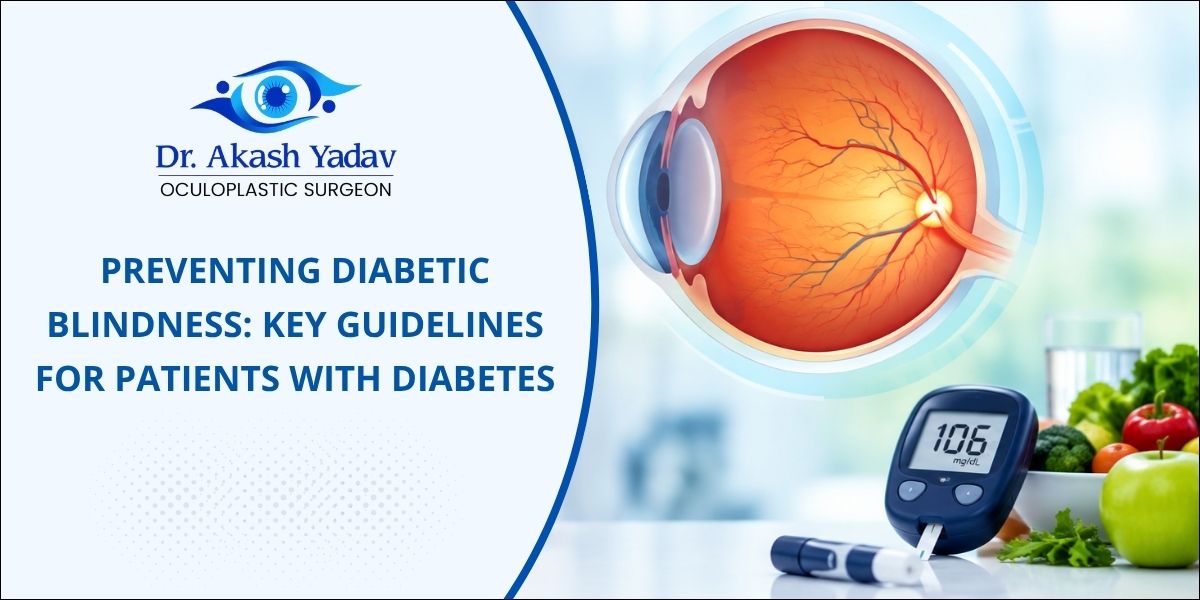
Diabetes affects much more than blood sugar levels. Over time, high blood sugar can damage small blood vessels throughout the body, including the delicate blood vessels at the back of the eye. This can lead to diabetic retinopathy, one of the major causes of vision loss in people with diabetes.
The good news is that diabetic eye problems can often be prevented, detected early, and treated effectively. Taking care of your diabetes and getting regular eye examinations can make a major difference in protecting your vision.
What Is Diabetic Eye Disease?
Diabetic eye disease is a group of eye conditions that can affect people with diabetes. The most common is diabetic retinopathy.
When blood sugar remains high for a long time, the tiny blood vessels supplying the retina can become weak or damaged. They may leak fluid or blood, or new abnormal blood vessels may develop. In advanced stages, this can cause serious vision problems and even blindness.
Diabetes can also increase the risk of diabetic macular edema, cataracts, and glaucoma.
Why Can Diabetes Affect Your Vision?
The retina is the light-sensitive tissue at the back of the eye. It needs a healthy blood supply to function properly.
Persistently high blood sugar can damage the retinal blood vessels. In the early stages, diabetic retinopathy may cause no noticeable symptoms. This is why a person can have eye damage even when their vision appears completely normal.
As the condition progresses, symptoms may include:
- Blurred or fluctuating vision
- Dark spots or floaters
- Difficulty seeing at night
- Distorted vision
- Sudden changes in eyesight
- Partial or severe loss of vision
Waiting for symptoms before having an eye check-up can allow the disease to progress unnoticed.
1. Keep Your Blood Sugar Under Control
One of the most important steps in preventing diabetic eye complications is maintaining healthy blood sugar levels.
Follow your doctor’s advice regarding:
- Diabetes medications
- Diet
- Physical activity
- Blood sugar monitoring
- Regular medical check-ups
Good long-term blood sugar control can help reduce the risk of diabetic retinopathy and slow its progression if it is already present.
Do not stop or change your diabetes medication without consulting your doctor.
2. Get Regular Diabetic Eye Examinations
A routine eye examination is one of the best ways to protect your vision.
A comprehensive dilated eye examination allows an eye specialist to examine the retina and look for early signs of diabetic damage. Depending on your diabetes history and eye health, your doctor may recommend examinations once a year or more frequently.
Your eye specialist may also recommend retinal imaging or other tests when needed.
Remember: normal vision does not always mean healthy retinas.
3. Keep Your Blood Pressure and Cholesterol in Check
High blood pressure and abnormal cholesterol levels can increase the risk of blood vessel damage. When diabetes is combined with uncontrolled blood pressure or cholesterol, the risk of diabetic eye complications may become greater.
Work with your physician to monitor these conditions and follow the recommended treatment plan.
Managing these health factors is not only important for your eyes but also for your heart, kidneys, brain, and overall health.
4. Don’t Ignore Changes in Vision
If you have diabetes and notice a sudden change in your eyesight, do not wait for your next routine appointment.
Seek an eye examination if you experience:
- Sudden blurred vision
- New or increasing floaters
- Flashes of light
- A dark curtain or shadow in your vision
- Sudden loss of vision
- Difficulty reading or seeing objects clearly
Some retinal problems can progress quickly and require timely treatment.
5. Follow Your Eye Specialist’s Treatment Plan
If diabetic retinopathy has already been diagnosed, regular monitoring and appropriate treatment are important.
Depending on the condition and its severity, treatment may include eye injections, laser treatment, or surgery. Your eye specialist will determine the most suitable option based on the condition of your retina.
Do not skip follow-up appointments simply because your vision feels normal. Diabetic eye disease can sometimes progress without obvious symptoms.
6. Take Care of Your Overall Health
Eye health is closely connected with your overall health. Along with controlling blood sugar, make healthy lifestyle choices.
Try to:
- Eat a balanced diet
- Stay physically active as advised by your doctor
- Maintain a healthy weight
- Avoid smoking
- Limit alcohol if advised
- Take prescribed medicines regularly
- Attend your routine diabetes and eye check-ups
Small, consistent steps can help protect your vision over the long term.
Can Diabetic Blindness Be Prevented?
Not every case of diabetic vision loss can be completely prevented, but the risk can often be significantly reduced through early detection and proper management.
The most important message for patients with diabetes is simple: don’t wait until your vision becomes blurry before checking your eyes.
Regular eye examinations can identify retinal changes at an early stage, when appropriate treatment and better diabetes control may help prevent further vision loss.
Protect Your Vision Before Problems Begin
Living with diabetes does not mean that you will lose your eyesight. With good blood sugar management, healthy lifestyle habits, regular eye examinations, and timely treatment, many people with diabetes can maintain good vision for years.
If you have diabetes, make your eye examination part of your regular healthcare routine. Your eyes may not tell you when a problem is starting, but a detailed eye examination can.
About Dr. Akash Yadav – Eye Specialist in Pune
Dr. Akash Yadav is an experienced Eye Specialist in Pune, providing comprehensive eye care and evaluation for various eye conditions. For patients living with diabetes, regular retinal screening and timely evaluation can play an important role in protecting long-term vision. Patients experiencing changes in vision or those who have diabetes should consult an eye specialist for an appropriate eye examination and personalized advice.
FAQs
1. Can diabetes cause permanent blindness?
Yes. Advanced diabetic retinopathy and other diabetes-related eye complications can cause severe or permanent vision loss. Early detection can help reduce this risk.
2. How often should a diabetic patient get an eye check-up?
Many people with diabetes need a comprehensive eye examination at least once a year, but the frequency may vary depending on their eye health and diabetes control.
3. Can diabetic retinopathy be reversed?
Early diabetic retinopathy may improve with better diabetes management, while established disease may require treatment. Your eye specialist can recommend the appropriate approach.
4. What are the early symptoms of diabetic retinopathy?
Early diabetic retinopathy often has no symptoms. Later, blurred vision, floaters, dark spots, or changes in vision may occur.
5. Does controlling blood sugar protect the eyes?
Yes. Maintaining good blood sugar control can lower the risk of diabetic retinopathy and help slow its progression.
