
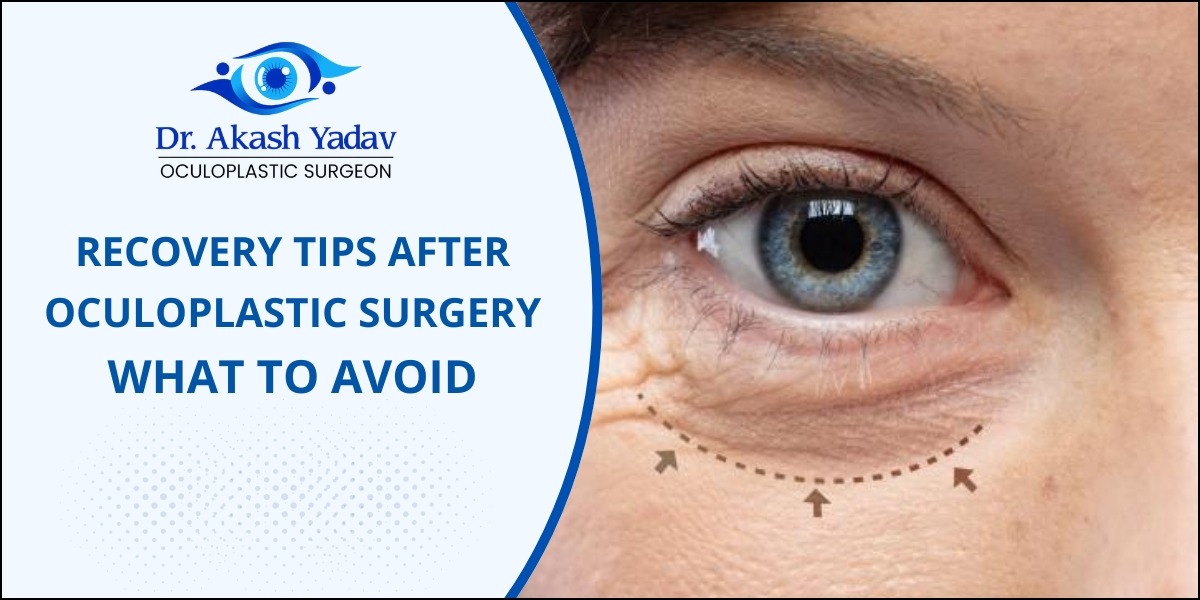
Oculoplastic surgery focuses on procedures around the eyes, such as eyelid surgery (blepharoplasty), tear duct surgery, and correction of eyelid position. While these procedures can significantly improve both function and appearance, proper aftercare is essential for smooth healing and the best results.
If you or a loved one has recently undergone oculoplastic surgery, knowing what to avoid is just as important as knowing what to do.
Why Post-Surgery Care Matters
The eye area is delicate and highly sensitive. Even small mistakes during recovery can lead to complications like infection, delayed healing, or poor cosmetic results. Following your surgeon’s instructions and avoiding certain activities can make a big difference in your recovery.
What to Avoid After Oculoplastic Surgery
1. Avoid Rubbing or Touching Your Eyes
It may be tempting to touch or rub your eyes due to irritation or itching, but this can:
- Disrupt stitches
- Increase the risk of infection
- Delay healing
Tip: If you feel discomfort, use prescribed eye drops instead.
2. Avoid Strenuous Activities
Heavy exercise, gym workouts, or lifting weights can increase blood flow to the eyes and cause swelling or bleeding.
- Avoid for at least 1–2 weeks or as advised
- Skip yoga poses that involve bending or inversion
3. Avoid Exposure to Dust and Pollution
Living in a busy city like Pune means exposure to dust and pollution is common.
- Stay indoors as much as possible during early recovery
- Wear sunglasses when stepping outside
4. Avoid Makeup Around the Eyes
Applying eye makeup too soon can:
- Introduce bacteria
- Irritate healing tissues
Wait at least 10–14 days or until your doctor gives approval.
5. Avoid Swimming and Hot Water Exposure
Swimming pools, hot tubs, and even hot showers can:
- Increase infection risk
- Cause irritation
Stick to lukewarm water and avoid getting water directly into your eyes.
6. Avoid Smoking and Alcohol
Both can slow down healing and increase swelling.
- Smoking reduces oxygen supply to tissues
- Alcohol can increase bruising and inflammation
7. Avoid Skipping Medications
Your surgeon may prescribe:
- Antibiotics
- Anti-inflammatory medications
- Lubricating eye drops
Skipping these can lead to complications, so follow the schedule strictly.
8. Avoid Sleeping Face Down
Sleeping on your stomach or side can put pressure on your eyes.
Best position: Sleep on your back with your head elevated to reduce swelling.
Additional Recovery Tips
While avoiding harmful habits is important, here are a few helpful practices:
- Use cold compresses to reduce swelling
- Keep the surgical area clean
- Attend all follow-up appointments
- Stay hydrated and eat a balanced diet
When to Contact Your Doctor
Seek medical attention if you notice:
- Severe pain
- Sudden vision changes
- Excessive swelling or redness
- Discharge from the surgical site
Early intervention can prevent serious complications.
About Dr. Akash Yadav – Oculoplastic Surgeon in Pune
If you are considering oculoplastic procedures or need expert post-surgical care, Dr. Akash Yadav is a trusted name for oculoplastic surgery in Pune. He specializes in eyelid surgeries, tear duct procedures, and aesthetic eye treatments. His focus on precision, safety, and personalized care ensures optimal results and a smooth recovery journey for every patient.
Visit : Dr. Akash Yadav – Oculoplastic, Cataract & Aesthetic Eye Surgeon in Pune
Contact Number : +91 9821136014
FAQs About Oculoplastic Surgery Recovery
1. How long does it take to recover from oculoplastic surgery?
Most patients recover within 1–2 weeks, but complete healing may take a few months.
2. When can I return to work?
You can usually resume light work within 5–7 days, depending on your recovery.
3. Is swelling normal after surgery?
Yes, mild swelling and bruising are common and usually improve within a week.
4. Can I use my phone or watch TV?
Yes, but limit screen time initially to avoid eye strain.
5. When can I wear contact lenses again?
Typically after 2–3 weeks, but always follow your surgeon’s advice.
