

Watery, Irritated Eyes? You Might Have a Blocked Tear Duct
Our eyes have a built-in drainage system. Tiny openings in the inner corners of our eyelids, called puncta, lead to small tubes (canaliculi) that drain tears into the nose. This is why your nose runs when you cry. When this system gets obstructed, it results in a condition known as Nasolacrimal Duct Obstruction (NLDO), or simply, a blocked tear duct.
Understanding the symptoms is the first step toward finding relief. While a blocked tear duct can be frustrating, it is a common and very treatable condition.
The Tell-Tale Signs of a Blocked Tear Duct
The symptoms occur because tears have nowhere to go, so they back up and overflow. The most common signs include:
- Excessive Watering (Epiphora): This is the hallmark symptom. You may find that your eyes are constantly watery, even when you aren’t crying or experiencing strong emotions. The tears may overflow onto your eyelashes, down your cheek, or simply pool in your eye.
- Crusting on Eyelashes: Stagnant tears and mucus can lead to a crusty buildup, especially after sleeping. You might wake up with your eyelids stuck together, which can be uncomfortable and a sign of a low-grade infection.
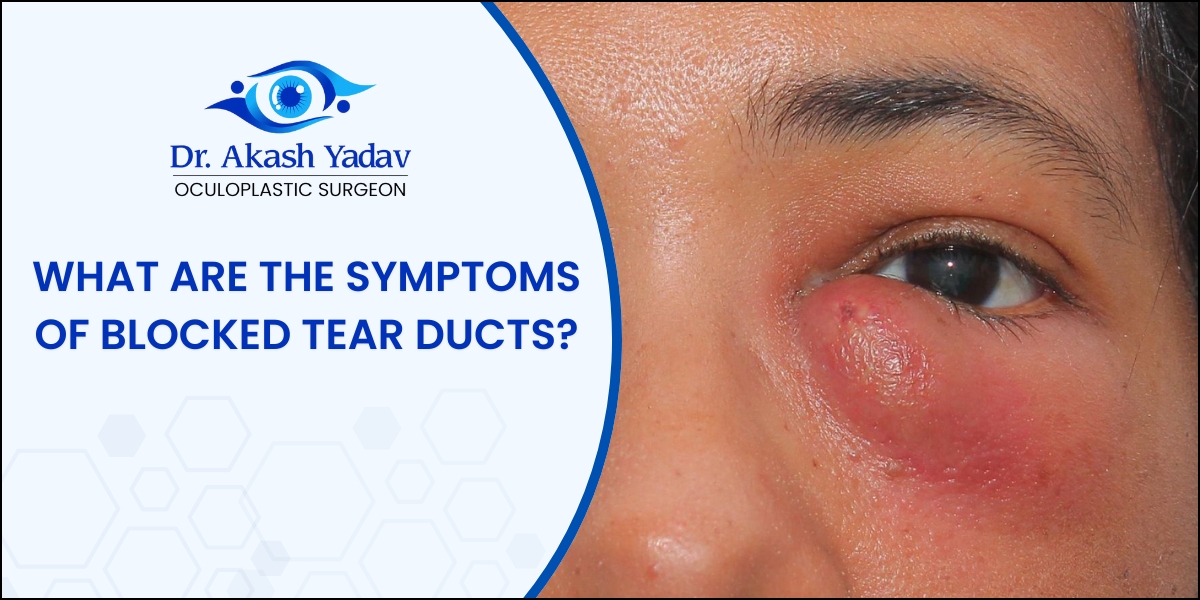
- Redness and Swelling: The inner corner of the eye, near the nose, can become tender, red, and puffy. In some cases, a painful, swollen bump may appear, indicating a more serious infection called Dacryocystitis.
- Blurred Vision: The constant film of tears over your eye can cause intermittent blurry vision. You might feel the need to blink or wipe your eyes frequently to see clearly.
- Recurrent Eye Infections (Conjunctivitis): When tears aren’t draining properly, bacteria can accumulate, making you more prone to recurring pink eye or infections in the tear sac.
Is It a Blocked Tear Duct or Just Allergies?
It’s easy to confuse the two, as both can cause watery eyes. However, allergies typically come with intense itching, which is not a primary symptom of a blockage. If your main complaint is constant tearing without itchiness, a blocked tear duct is more likely.
When to See a Doctor
While some cases in infants resolve on their own, persistent symptoms in children or adults warrant a professional evaluation. If you experience any pain, significant swelling, or a fever alongside these symptoms, seek medical attention promptly, as this could indicate an infection that needs treatment.
Dr. Akash Yadav – Top Oculoplastic Surgeon in Pune, Maharashtra
If you are struggling with persistent watery eyes, crusting, or suspect a blocked tear duct, seeking expert care is crucial. Dr. Akash Yadav is a renowned Oculoplasty Surgery specialist in Pune, dedicated to diagnosing and treating conditions affecting the tear drainage system and eyelids. With a focus on advanced surgical techniques like DCR surgery,
Frequently Asked Questions
Q: Can a blocked tear duct fix itself?
A: In many infants, yes, it often resolves on its own within the first year. In adults, it typically requires medical intervention to correct.
Q: Is a blocked tear duct painful?
A: It can be, especially if an infection develops in the tear sac (Dacryocystitis), which causes pain, redness, and significant swelling near the inner corner of the eye.
Q: What is the main cause of a blocked tear duct?
A: Causes vary. In adults, it’s often due to age-related narrowing of the ducts, inflammation, or injury. In infants, it’s usually due to an underdeveloped drainage system at birth.
